
My Wake-Up Call: What French Women Taught Me About Eating Well
When I first arrived in France, in my early 30s, my idea of “wellbeing” was a mess. I swung between indulging and restricting, over-exercising to “compensate” for whatever I’d eaten. There were 5 a.m. runs around the Champ de Mars, and later, intense triathlon schedules when my kids were small. My hormones were all over the place, my energy was terrible, and my skin and hair showed it. I honestly didn’t realize I was on a roller coaster until I wrote an article about what my French friends ate in a day.
For an overview of everyday French wellbeing habits, start with → The French Approach To Wellbeing.
Why the Mediterranean Diet Fits Naturally Into French Life
That’s when it finally clicked: they ate variety. Real food. No dramatic restrictions. Cheese, meat, fruit, carbs (yes, carbs), the occasional dessert… and somehow they were healthier and calmer than I was. I wish I’d put two and two together sooner — but once I did, everything shifted.
One of the big influences? The Mediterranean way of eating. In France, it’s less of a “diet” and more of a way of life. It isn’t about cutting calories or banning food groups. It’s about delicious, seasonal food that genuinely nourishes you — body and mind.
I’ve written more on healthy eating here → French Healthy Eating Habits I Learned After 20+ Years In France.
Foods to Prioritise
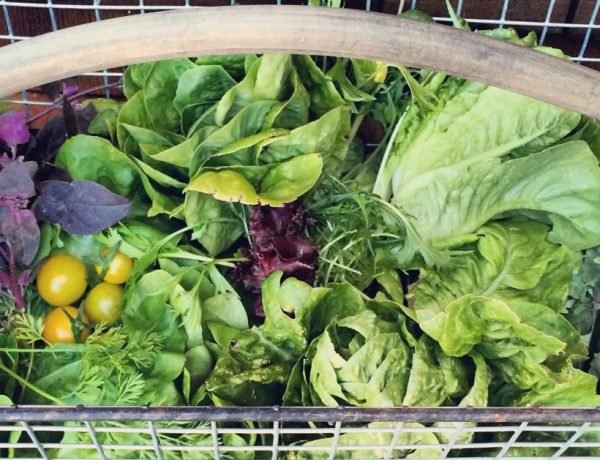
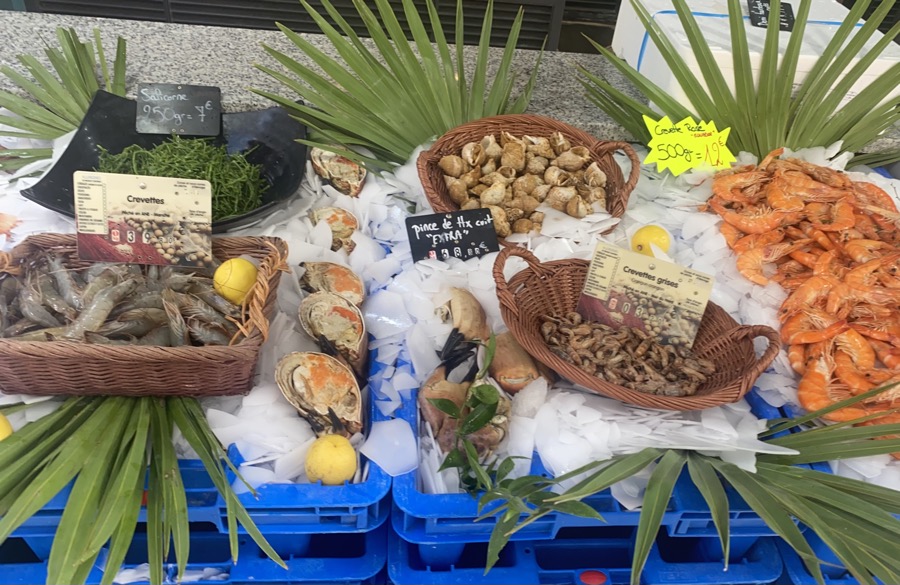
The Mediterranean Diet is rich in fruits and vegetables, whole grains, legumes, nuts, olive oil, fish, and yes, a glass of red wine now and then. These foods are full of fiber, antioxidants, and anti-inflammatory compounds that support your skin, heart, hormones, and overall longevity.
Foods to Limit (Not Eliminate)
Red meat (once a week), ultra-processed foods, fried foods, sugary drinks, and refined grains like white bread or white pasta. Not forbidden — just not the everyday staples.
A Simple Mediterranean-Style Day of Eating
- Breakfast: Greek yogurt with fruit + nuts
- Lunch: Omelette, salad, bulgur
- Snack: Apple, a handful of nuts
- Dinner: Salmon, broccoli, wild rice
And of course — this is France — there is room for pleasure. A buttery croissant, a slice of country bread with dinner, a square of chocolate after lunch. The difference is portion size, frequency, and mindfulness. Nothing is labeled “guilty” or “forbidden.” It’s simply enjoyed.
Even dessert reflects this balance. On a typical weekday, many people end with fruit, yogurt, or a tiny espresso with chocolate. And bread? The French choose quality over quantity — whole wheat or sourdough. Parisian classics like the miche Poilâne exist for a reason.
When French women need to recalibrate after too much indulgence, this is their go to → French Detox Soup.
The Mediterranean diet for Skin, Hormones and Longevity
French women adore their skincare routines, but the truth is: their diet does half the work. The Mediterranean way of eating delivers antioxidants that reduce inflammation, improve elasticity, support collagen, and help repair visible damage. It’s one of the most skin-friendly ways of eating in the world.
Weight management is another built-in benefit. Because it’s a lifestyle centered on abundance — not deprivation — it works long-term. If you want a quick fix to lose ten pounds, this isn’t your plan. If you want a sane, sustainable way of eating that supports wellbeing for decades, you’re in the right place.
Health experts agree. The Mediterranean Diet is recommended by Harvard School of Public Health, the Mayo Clinic, the Cleveland Clinic, the WHO, and many more — for good reason. It supports heart health, helps prevent chronic disease, stabilizes weight, and is actually enjoyable.
What I love most about the Mediterranean diet is how effortless it feels once you settle into it. No rigid rules, no guilt, no perfection. Just real food, balance, and a calmer relationship with eating. I often wish I had stepped off my rollercoaster long before I turned 30 and started a family – but I’m grateful I found this way of living when I did. It has supported my wellbeing ever since, and I hope it brings you the same sense of ease and nourishment.
More From France
If you’re curious about how France nurtures healthier habits — from school lunches to everyday food, movement, and wellbeing — I share practical tips and stories each month. Sign up for the free newsletter below and receive my guide, The French Guide to Everyday Wellbeing, straight to your inbox. Merci!