
I learned about French detox soup from my trim, stylish French mother-in-law, Carmen. Every Sunday after a big family meal, she would proudly announce, “Tonight and tomorrow, I’m having soup and a yogurt for dinner!”
Sunday lunches in our family were always traditional: excellent meat or fish, well-chosen wines, a perfectly curated cheese plate, a homemade dessert (on the best Sundays it was the lemon tart we all adored), and always—always—chocolates with coffee. It was indulgent, yes, but also a weekly moment of connection with extended family. And then, on Sunday evening, came the reset.
One thing I’ve learned after two decades in France is that the French are suspicious of absolutes. You can skip the bread basket if you want to—but try explaining a no-carb diet to a waiter and watch the confusion set in.
The French philosophy is simple: we only pass this way once. Why eliminate great food? Pleasure comes first, but so does moderation.
For an overview of everyday French wellbeing habits, start with → The French Approach To Wellbeing.
Join my free monthly newsletter
for everyday French life, simple habits & sustainable wellbeing.
And get The French Guide to Everyday Wellbeing straight to your inbox!
French nutrition expert Maia Baudelaire says the same. “When women come to us to lose a few kilos, we help them with a plan that includes a little bit of everything: high-quality dairy and meats, eggs, freshly made breads, lots of fresh vegetables and fruit, the occasional glass of wine, and at least one or two desserts per week. Nothing should ever be totally off limits if you enjoy it, even when you are trying to lose a bit of weight,” she told me.
To understand the cultural eating habits in France, read more here → French Eating Habits I Learned After 20+ Years In France.
That’s really the heart of it: the pleasure principle rules in France, but so does knowing when to say yes and when to say no. A few examples from daily French life:
If you love chocolate or rich desserts
Treat yourself to the good stuff, but only from time to time, and keep the portion small. As one chef once told me: nothing in the supermarket bread aisle counts as exceptional.
If you enjoy a glass of wine
Have a small glass (fishbowl-size glasses are American, not French). Choose something wonderful, slow down, and savor it. There’s never pressure to finish the bottle.
If you love bread, pasta, or other carbs
Choose fresh and high-quality when you can. And if your plate looks like a mountain, consider a half-portion. I often “accessorize” pasta with a drizzle of olive oil and fresh herbs—simple and delicious.
And if you do overindulge on a weekend or holiday? This is where Carmen’s beloved French detox soup comes in. Two big bowls a day, lots of water or herbal tea, and a plain yogurt for dessert. If I’m really hungry, I’ll add a small piece of chicken breast. It’s gentle, comforting, and after two days I always feel lighter—my skin even looks better.
Below is the exact recipe she taught me, scribbled into my notebook during one of our Sunday lunches more than a decade ago.
Meet some of my French friends here and learn → What French Women Eat In A Day.
And if you’re interested in one of the most popular eating styles in France → Why French Women Love The Mediterranean diet.
French Detox Soup Recipe
A simple, soothing way to rebalance after a rich meal.
Ingredients
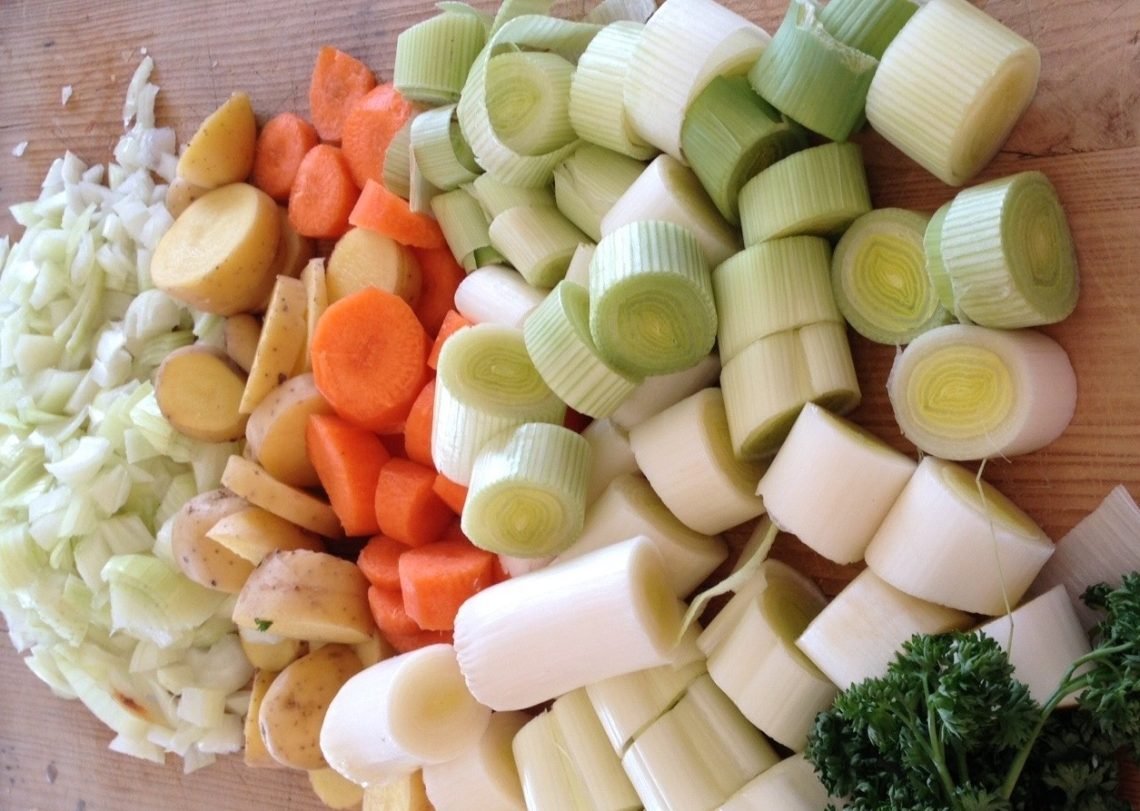
- 2 onions
- 3 leeks
- 2 carrots
- 1 potato (or substitute 1 courgette)
- A few sprigs of parsley
- 2–3 tablespoons olive oil
- Chicken stock (cube or homemade)
Directions
- Chop the onions, leeks, carrots, and potatoes.
- Heat the olive oil in a large pot and cook the onions until soft.
- Add the leeks and carrots; cook a few minutes.
- Add the potatoes and cook everything together briefly.
- Add the parsley.
- Cover the vegetables with water and add the chicken stock.
- Simmer on medium heat for about 30 minutes, until the vegetables are soft.
- Let the soup cool slightly, then purée with a handheld blender or food processor.
Serving Tips
- This soup makes a comforting main dish or side dish, especially on fall and winter evenings. I love pairing it with a slice of good dark bread and a piece of hard cheese.
- Swap in whatever vegetables you have: red peppers, cauliflower, pumpkin, squash, courgettes… it’s an endlessly flexible recipe.
More From France
If you’re curious about how France nurtures healthier habits — from school lunches to everyday food, movement, and wellbeing — I share practical tips and stories each month. Sign up for the free newsletter below and receive my guide, The French Guide to Everyday Wellbeing, straight to your inbox. Merci!